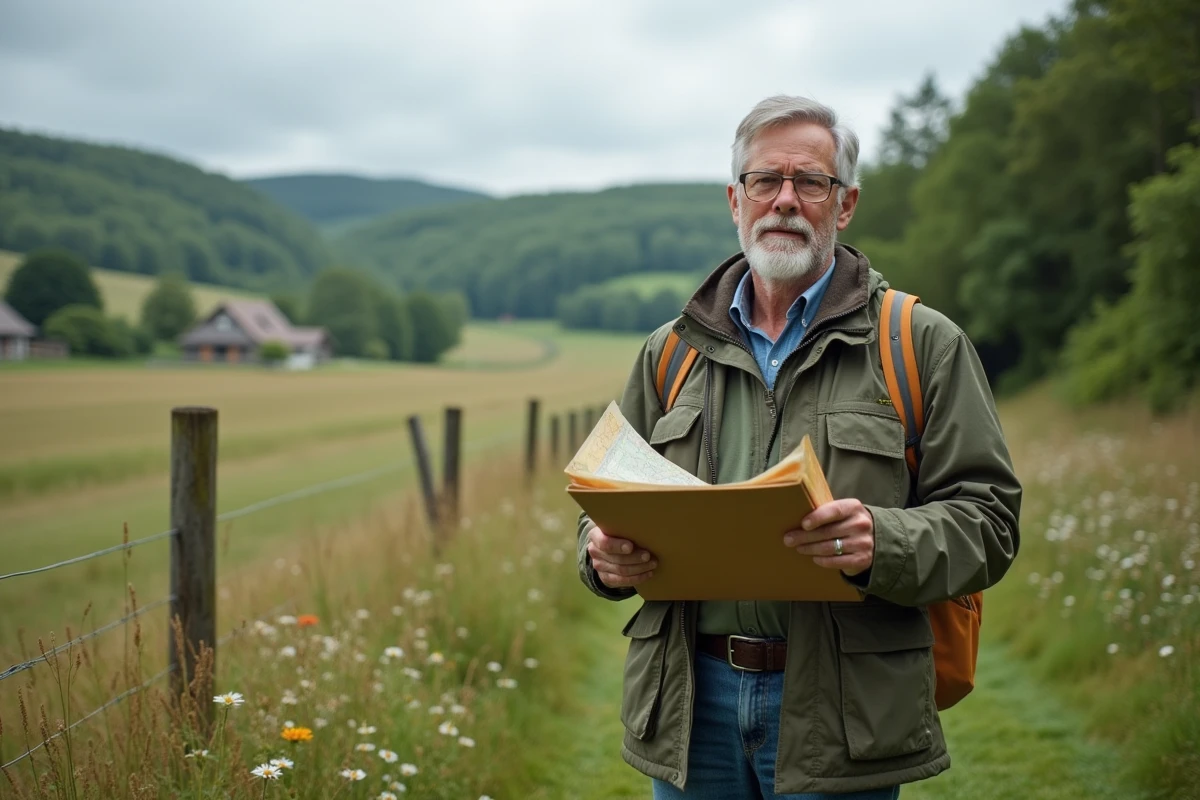
A raw figure: 94% of French territory is affected, directly or indirectly, by natural zoning in urban planning documents. A plot classified as a natural zone may be subject to a total construction ban while remaining eligible for certain specific developments under strict conditions. Obtaining authorization offers no guarantees and depends on local decisions, often unknown to buyers.
Some exceptions remain, such as the identical reconstruction of a destroyed building or the possibility of conducting agricultural activities. Administrative procedures vary significantly from one municipality to another, generating persistent uncertainty for project holders or simple property owners.
Natural zone: what the regulations really say
The natural zone occupies a special place in the local urban planning plan. Here, the priority is given to the preservation of natural spaces and landscapes, with restrictions that hinder any desire for mass urbanization. A plot in a natural zone cannot accommodate new housing or residential buildings. This lock only opens for certain developments related to maintenance, agricultural or forestry operations, or the management of natural environments. However, each exemption remains regulated and rare.
The texts rely on the urban planning code and the national urban planning regulations, while the PLU of each municipality refines the applicable rules for each plot: easements, restrictions, usage possibilities. Before any initiative, it is advisable to consult the local urban planning plan and request a urbanism certificate. This document provides a clear view of the rights on a plot in a natural zone and allows for assessing the actual feasibility of a project in the area.
To visualize the extent of the restrictions that apply, here are the key points to remember:
- It is impossible to erect a house or a building except for a clearly justified agricultural or forestry activity
- A urbanism authorization remains mandatory, even for light work or occasional developments
- The protection of biodiversity and landscape takes precedence over any urbanization request
The interpretation of urban planning rules therefore requires constant attention. Forest or protected natural zones are part of a conservation logic, leaving no room for approximation. Each file must prove that the project respects the primary purpose of the plot and the legal framework in force.
Can one develop or build on a plot classified as a natural zone?
The natural zone raises many desires, but also many questions. Who has never dreamed of setting up a shelter, a shed, or an activity on an isolated plot? Yet, reality imposes itself: in a natural zone, the possibilities for work or development are strictly regulated. No subdivisions, no creeping urbanization, and no standard construction. The local urban planning plan draws a clear boundary to preserve natural spaces and limit soil artificialization.
In this context, only a few authorized constructions escape the ban: these are buildings necessary for forestry, agriculture, or the restoration of existing buildings dedicated to public utility. Light recreational housing and temporary installations, on the other hand, depend on the goodwill of the municipality. Any project, even modest, requires a urbanism authorization, prior declaration, or permit, depending on the scope of the work.
Here are the main elements to consider before contemplating a project:
- Work in natural zones is subject to strict, detailed, and sometimes complex regulations
- Only projects compatible with the natural vocation of the site can be favorably processed
- Refusals for developments unrelated to the maintenance or exploitation of natural environments are common
Being aware of the local urban planning plan and preparing a well-argued file are two key steps. Modifying a plot, renovating a building, or considering a new installation requires proving compliance with ecological balance. Here, the margin for interpretation remains very thin: the natural zone resembles a monitored fortress, where each request is scrutinized closely by municipal services.
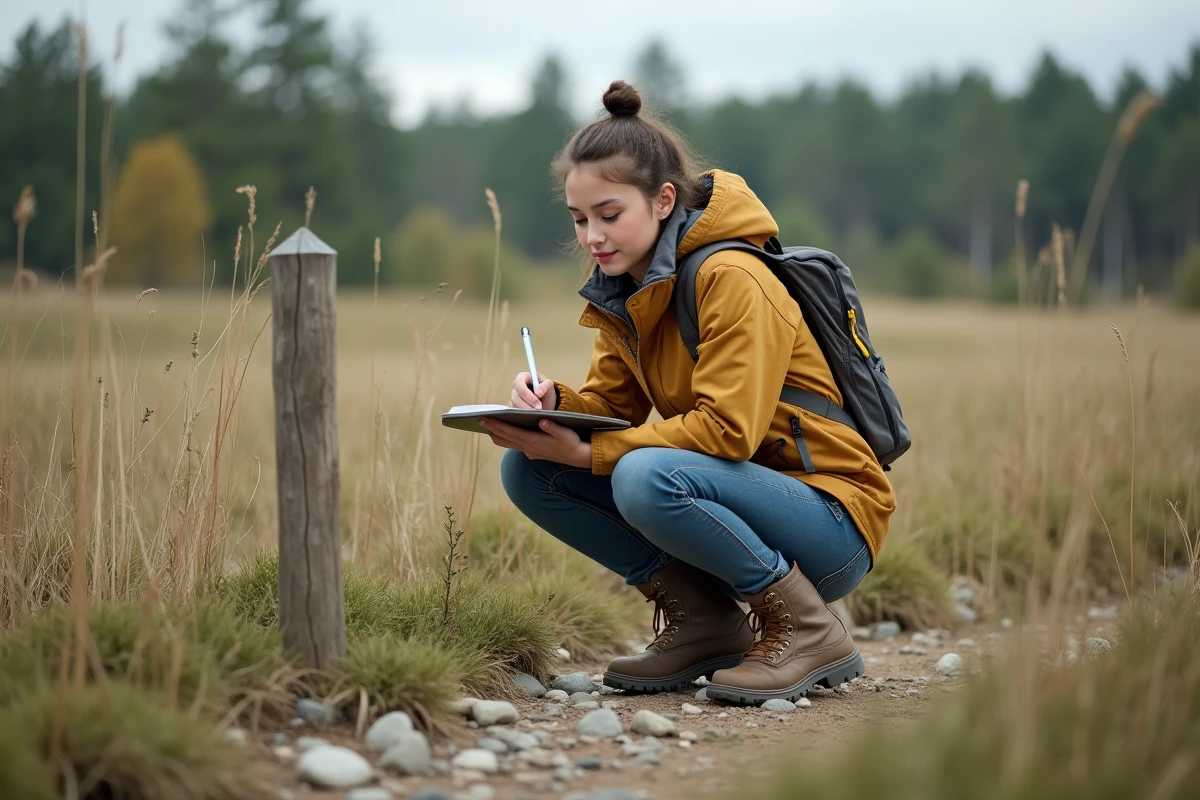
Practical tips for successfully completing your project in a natural zone without unpleasant surprises
Before launching a project on a plot in a natural zone, a thorough check of the local urban planning plan is essential. This document details the authorized uses, current restrictions, and margins for maneuver, which can vary from one area to another. Some zones tolerate agricultural or forestry activities; others lock down any intervention to protect fauna, flora, and associated landscapes.
The first reflex should be to approach the town hall. Requesting a urbanism certificate provides an official answer regarding the feasibility of the proposed project. This document commits the municipality and helps avoid future disappointments. To save time and limit back-and-forth, prepare a precise file, supported by plans, technical descriptions, and, if necessary, the expertise of a professional in the field.
To maximize your chances and limit setbacks, consider the following recommendations:
- Scrupulously respect the applicable rules for forest natural zones: new constructions excluded except for exceptions, priority to the preservation of life
- Focus on the existing: restoring an existing building or rehabilitating an old agricultural installation is generally more accessible than a new project
Keep in mind that environmental regulations evolve. A project accepted this year may be challenged next year due to a new classification or a modification of the local plan. Stay attentive to municipal council decisions and prefectural communications: the future of the area sometimes unfolds in the discretion of public deliberations. Here, each plot tells a story of constraints, vigilance, and perspectives to conquer.