Dancharia does not quite follow the rules of the Spanish tax game: just a stone’s throw from the French border, this village displays prices that bewilder, attracts crowds from dawn, and extends the parade of carts until nightfall. Here, commerce has its own hours, its own tempo, and visitors flock in, driven by a unique regulation quite different from the rest of the Spanish Basque Country.
Dancharia, a border village with Basque charm to discover without delay
At the foot of the Otxondo pass, the village of Dancharia in Spain stands as a border curiosity, far from the clichés of anonymous transit zones. The Basque Country reveals itself differently here: vibrant traditions, the Basque language still resonating on the terraces, immediate warmth in exchanges. The proximity to Saint-Jean-de-Luz and the winding road connecting France to Spain play their part: each week, Dancharia sees a varied audience, coming for discovery, ambiance, or business opportunities.
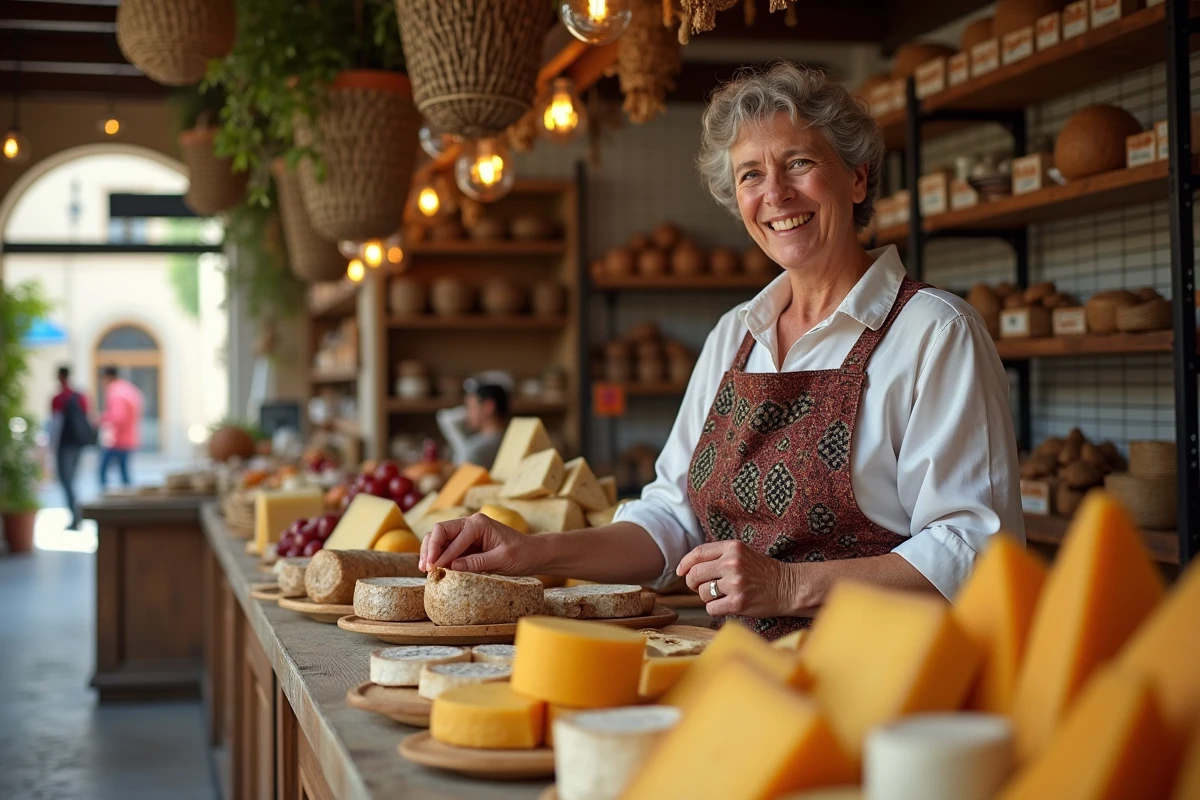
In just a few hundred meters, the commercial area of the village stretches out. Here, there are no large impersonal chains, but a succession of shops, grocery stores, and family restaurants, each with its specialty, its local touch. The curious find Basque products, Spanish specialties, or unexpected treasures. Far from urban centers, each business cultivates its uniqueness, often in partnership with local or regional producers.
The atmosphere of Dancharia makes its presence felt upon arrival. Merchants and restaurateurs welcome without hesitation, languages intersect at every corner, French, Spanish, Basque, creating a unique atmosphere. Some visitors, charmed by this mix, even choose to extend their stop, taking advantage of simple yet sincere accommodation options. Here, the habits and daily exchanges shape the identity of a border village that does not merely exist between two countries but asserts its own personality, balancing commercial dynamism and the transmission of traditions.
What treasures to bring back from Dancharia? Local products, souvenirs, and good deals
As you stroll through the commercial area of Dancharia, you discover a condensed array of temptations. Cross-border shopping takes on its full meaning here: each shop, each stall tells a facet of the Basque Country, straddling France and Spain. Visitors seek more than just a simple purchase: they want a piece of authenticity.
Here are some specialties worth the detour:
- The Bayonne ham, aged to perfection, reigns in the windows of delicatessens, accompanied by sheep’s cheese and the famous manchego, a staple of Iberian tables.
- The Espelette pepper, a true regional symbol, can be bought in strings or already ground, ready to add character to home cooking.
- It’s impossible to leave without a Basque cake, this indulgent pastry often found in visitors’ baskets.
On the souvenir side, authenticity remains the rule. Between everyday objects and handcrafted creations, each piece tells a story. The prices are often competitive, an advantage that attracts fans of shopping in Dancharia. Merchants usually accept credit cards, and some build customer loyalty with loyalty cards. Throughout the year, seasonal promotions enliven the shelves, inviting shoppers to refresh their purchases.
In this lively atmosphere, the entire Basque culture unfolds through the abundance of the shelves: Spanish wines, local ciders, liters of beer, rare condiments, or lesser-known sweets. More than a shopping center, Dancharia offers an experience where each purchase comes with an exchange and an immersion in local life.
Flavors and traditions: Basque cuisine to savor on-site
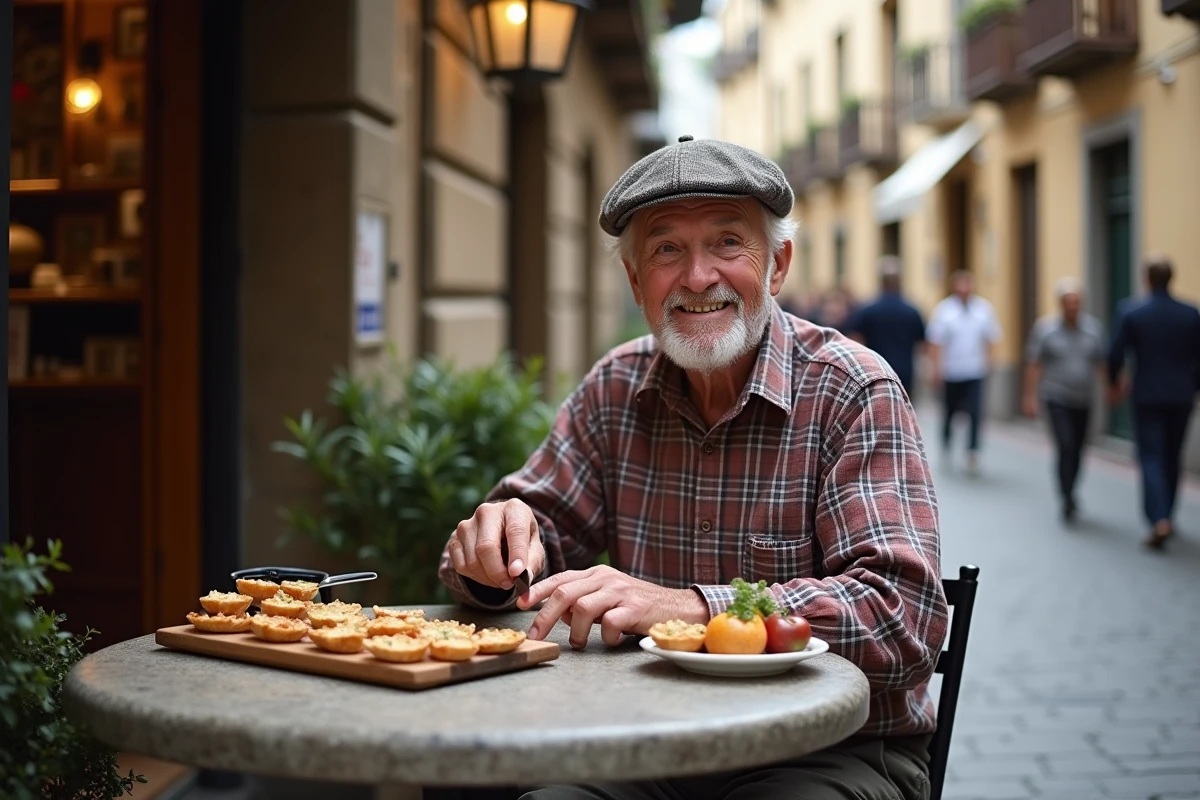
In Dancharia, Basque cuisine asserts itself without reservation. Each restaurant, each inn, each terrace tells the story of this territory at the crossroads of France and Spain. The dishes draw from tradition, served with authentic products from the Basque Country. On the tables, sheep’s cheese reveals its bold flavors, perfectly pairing with the Espelette pepper, a key ingredient that enhances both a simple slice of bread and a simmered dish like Basque chicken or taloa.
On the lively terraces, Basque cider flows into large glasses, accompanying pintxos or tapas to share. The local wines, whether intense reds or tangy whites, complement generous and sincere cuisine. Gourmands also discover the Basque cake, filled with cream or black cherry jam, to end the meal on a sweet and comforting note.
Here are some must-tries of Basque cuisine in Dancharia:
- Artisanal sheep’s cheese
- Espelette pepper, in powder or string form
- Basque cake, authentic recipe
- Wines and ciders from the region
Sharing a meal in Dancharia is also about grasping the soul of the Basque Country: simple conviviality, a taste for celebration and meeting, the art of gathering around sincere dishes. Here, gastronomy does not stop at tasting: it becomes a link, an invitation to understand a culture shaped between ocean and mountains, between Saint-Jean-de-Luz and Pamplona, just a few steps from the Franco-Spanish border. Tasting Dancharia means leaving with much more than just shopping: a living memory, and the desire to return, if only for the pleasure of a new discovery.